
How Painful Is Breast Lift Recovery?

If you’re considering a breast lift, chances are one question is sitting at the top of your mind before anything else: How much is this going to hurt? It’s a fair concern – and an important one. Recovery is a significant part of any surgical journey, and knowing what to expect can make the entire experience far less daunting. The honest answer is that discomfort varies from person to person, but with the right preparation and care, most patients find recovery to be very manageable. Here’s a closer look at what the healing process actually feels like, and what you can do to make it as smooth as possible.

What to Expect After a Breast Lift

Breast lift recovery is often understood as a progression: early swelling and soreness, followed by a gradual return of comfort and normal movement. Knowing what’s typical can reduce anxiety and help you focus on healing.

Typical Recovery Timeline

While your surgeon will give you personalized instructions, many patients experience recovery in “chapters”:

  • Day 1-3: Usually the most uncomfortable period. Expect swelling, tightness, and soreness, most noticeable when you change positions (getting out of bed, standing fully upright, or using your arms).

  • Days 4-7: Discomfort often begins to ease, and many patients transition toward lighter pain control. Movement feels easier, but fatigue can linger.

  • Weeks 2-3: Many people feel significantly better, though breasts can remain tender, and swelling can fluctuate.

  • Weeks 4-6: Most day-to-day activities feel more normal. Some sensitivity changes or occasional “twinges” can still happen as nerves recover.

A key point: recovery isn’t always linear. It’s common to have “better days” followed by a day when you feel more swollen or sore, especially if you did too much too soon.

Common Physical Sensations

Patients often use similar words to describe the sensations after surgery:

  • Soreness and bruising across the chest

  • Tightness or pressure, especially in the lower breast area or around incisions

  • Swelling, which can make the breasts feel heavier or firmer early on

  • Itching as skin and incisions heal

  • Sensitivity changes (nipple or breast skin can feel numb, extra sensitive, or “different” for a time)

  • Pulling sensations with certain arm movements

These sensations can feel strange, but they’re often part of normal healing. Your surgeon’s post-op instructions are designed to support comfort while protecting the repair.

Pain Levels During Breast Lift Recovery

In most cases, the discomfort is manageable, and many patients are surprised that the sensation is more like soreness and tightness than severe pain.

How Much Pain to Expect

Most patients report discomfort that is:

  • Strongest in the first 72 hours, then noticeably improves

  • More like muscle soreness/pressure than sharp pain

  • Worse with movement (standing up, reaching, rolling in bed) and better at rest

  • Accompanied by swelling-related tightness, which can make the chest feel “full” or firm

It can also be emotionally challenging at first – not because pain is overwhelming, but because sleep position changes, limited arm use, and the “newness” of the body can feel temporarily frustrating. Setting expectations ahead of time helps.

Factors Affecting Pain Intensity

Pain and discomfort vary. Common factors include:

  • Individual pain sensitivity: Everyone’s nervous system responds differently.

  • Extent of lift needed: More skin tightening and reshaping can lead to greater early tightness.

  • Whether other procedures are combined: If a breast lift is performed alongside another surgery, overall recovery demands may be higher.

  • Activity level after surgery: Doing too much too early is a frequent reason discomfort spikes.

  • Sleep and stress: Poor sleep can make discomfort feel more intense.

  • Constipation from pain medication: This can create additional discomfort that patients sometimes mistake for “overall recovery pain.”

At the Center for Plastic Surgery, your care plan is based on your procedure and needs. If questions come up, you can review your consultation information and bring a list of concerns to discuss with your surgeon.

Managing Discomfort After Surgery

A good recovery plan focuses on two goals: control discomfort and support healing. Your surgeon will give you specific instructions, and you’ll want to follow those directions closely.

Pain Relief Options

Pain control is typically multi-layered and may include:

  • Prescribed pain medication (when needed): Often most useful in the early days.

  • Over-the-counter options: Extra-strength Tylenol may be recommended for additional pain control (follow your surgeon’s guidance on what’s appropriate for you).

  • Constipation prevention: Prescribed pain medications can cause constipation, and stool softeners are recommended to help alleviate it. Addressing constipation early can make a meaningful difference in overall comfort.

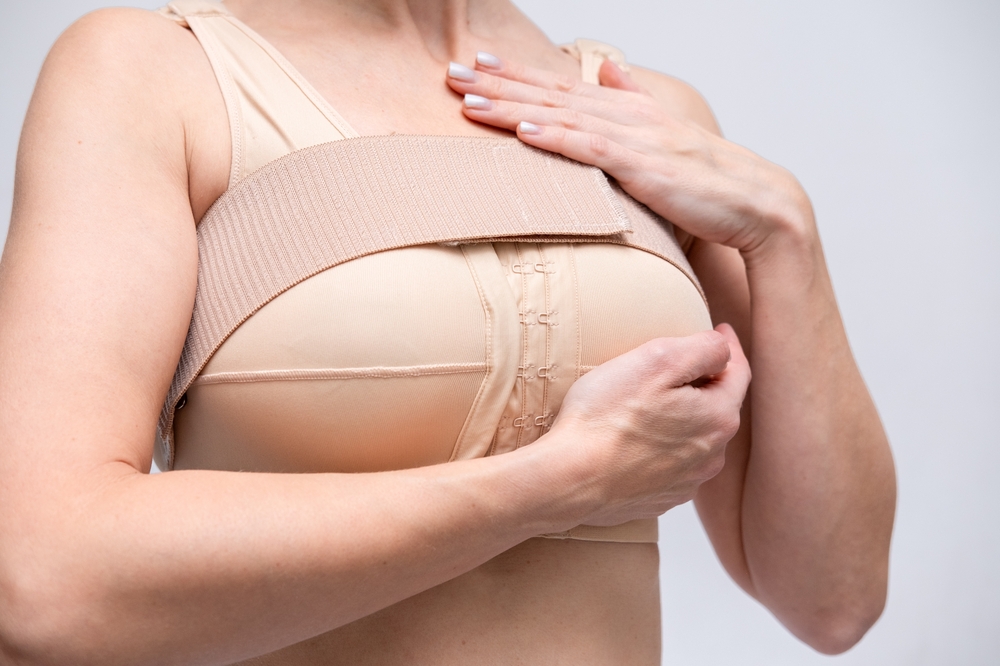
  • Support garments (as directed): A supportive post-surgical bra can reduce movement-related discomfort and help you feel more secure.

Never add or change medications without guidance from your surgical team, especially right after surgery.

Tips for Easing Recovery

Small day-to-day choices can significantly affect how you feel. Helpful strategies many patients use include:

  • Prioritize rest for the first few days. Your body heals when you treat recovery like a real assignment – not something to “push through.”

  • Plan for back-sleeping. Recovery may involve difficulty adjusting to sleeping on your back. Consider a pillow setup (wedge pillow or extra pillows) to support your upper body and prevent rolling.

  • Use gentle movement. Short, easy walks (as approved) can help circulation and reduce stiffness without stressing the chest.

  • Avoid reaching, lifting, or sudden arm motions. These can increase pulling sensations and swelling.

  • Stay ahead of swelling. Swelling often makes tightness feel worse; follow your surgeon’s guidance on activity, garments, and positioning.

  • Hydrate and eat simply. Hydration and regular meals support healing and can help reduce constipation if you’re using prescription pain medication.

  • Keep your “recovery station” ready. Place water, snacks, medications, and essentials at waist height so you don’t have to reach overhead.

If you’re someone who likes to plan, creating a “first week checklist” (sleep setup, easy meals, comfortable clothing that opens in the front) can reduce stress. Stress itself can amplify the perception of pain.

When to Contact Your Surgeon

Even with a smooth recovery, it’s normal to have questions, especially about what’s “normal” versus what needs attention. If you’re worried, it’s always appropriate to contact your surgeon’s office for guidance. Your surgeon’s office can tell you whether your symptoms sound expected for your stage of healing or whether you need to be evaluated.

Visit the Center for Plastic Surgery website at CPS.

Normal vs. Concerning Symptoms

Often normal (especially early on):

  • Soreness that improves with rest and gradually trends better over time

  • Swelling that fluctuates throughout the day

  • Tightness or pressure, especially with movement

  • Mild asymmetry that improves as swelling resolves

  • Itching or “zings” as nerves wake up

Often worth calling about:

  • Pain that suddenly becomes much worse instead of gradually improving

  • Symptoms that feel intense, unusual for you, or hard to manage with your care plan

  • Any symptom that makes you feel unsafe or uncertain

Conclusion: What Most Patients Experience

So, how painful is breast lift recovery? For most patients, it’s manageable discomfort – most noticeable in the first few days, then improving steadily as swelling decreases and the body heals. With a clear post-op plan, appropriate pain relief, and a calm approach to rest and activity, many people find recovery more tolerable than they expected.

About the Author

Nicholas Stanzione

Nick ensures every individual receives the attention and support they deserve on their mental health journey.
Dr. Samir S. Rao

April 2, 2026