
Breast Conserving Surgery
IN WASHINGTON, DC AREA
Facing a breast cancer diagnosis or a complex breast condition can feel overwhelming, and many women worry about losing a part of themselves along with their health. Breast-conserving surgery offers a way to remove cancer while preserving as much of your natural breast shape as possible, helping you feel whole and confident during recovery.
At Center for Plastic Surgery, our experienced team understands the physical and emotional concerns that come with this decision. We combine advanced surgical skill with a compassionate approach, guiding you through every step so you feel informed, supported, and cared for.

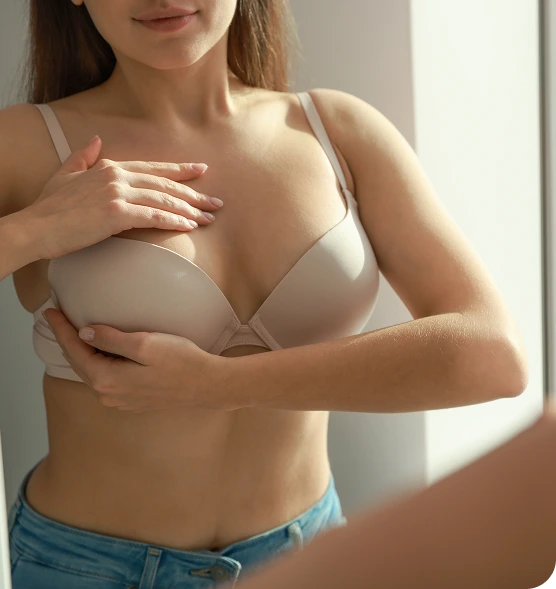
What is Breast
Conserving Surgery?
Breast-conserving surgery, sometimes called a lumpectomy or partial mastectomy, is a procedure that removes breast cancer while preserving as much of the natural breast as possible. Instead of removing the entire breast, only the tumor and a small margin of surrounding tissue are taken out. The goal is to treat the cancer effectively while maintaining your breast’s shape and appearance. For many women, this approach offers peace of mind, combining strong cancer control with a more natural-looking result.
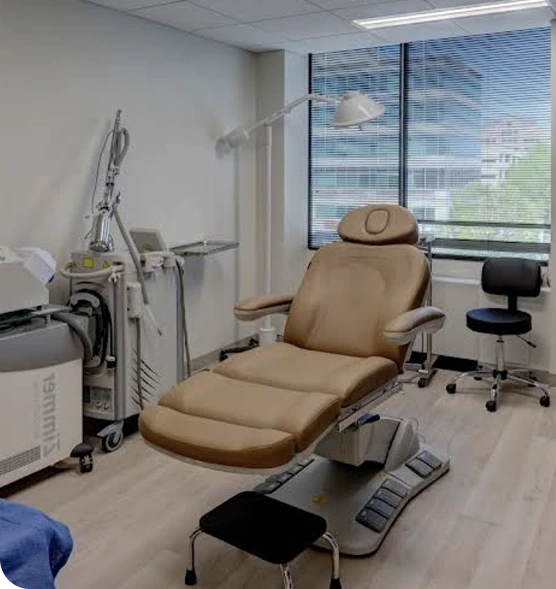
Consultation
& Preparation
How is the Procedure Performed?
Anesthesia
Breast-conserving surgery is performed under general anesthesia, so you are fully asleep and comfortable throughout the procedure. Our anesthesia provider carefully monitors your heart rate, breathing, and blood pressure the entire time to ensure your safety. Before surgery begins, your surgeon will review the plan with you and confirm all details, so you feel confident and prepared.
Planning & Tumor Localization
Incisions
Removal of the Tumor & Margins
Reshaping the Breast
Closing the Incisions

Recovery After Breast
Conserving Surgery
The First 24 Hours
On the first day after surgery, you can expect to feel tired and sore, with mild to moderate discomfort that is typically well-controlled with prescribed medication. Most patients go home the same day and rest comfortably. You will likely be fitted with a supportive surgical bra to help reduce swelling and provide stability. It is normal to feel tightness in the chest, and some patients experience mild bruising or drainage from the incision sites.
Week 1
Weeks 2–3
Weeks 4–6
Months 2+
Am I a Good Candidate for Breast Conserving Surgery?
Choosing the right surgical approach is a personal decision guided by both medical factors and your own goals. You may be a good candidate for breast-conserving surgery if cancer is detected early, the tumor is small relative to the breast size, and it can be removed with clear margins while preserving a natural shape. Your overall health, imaging results, and willingness to undergo follow-up treatments, such as radiation therapy, also play an important role. For some women, a double mastectomy may be recommended based on genetics, tumor characteristics, or personal preference. A thorough evaluation with your surgical team will help determine the safest and most appropriate option for you.

Benefits of Breast
Conserving Surgery
Breast-conserving surgery offers an effective way to treat breast cancer while preserving your natural appearance whenever medically appropriate. For many women, it provides peace of mind by balancing strong cancer control with thoughtful cosmetic outcomes.
Benefits include:
- Preserves as much of your natural breast as possible
- Maintains breast shape and symmetry when feasible
- Smaller incisions and less visible scarring
- Typically shorter procedure time than more extensive surgeries
- Often, an outpatient procedure with a smoother return to routine
- Supports emotional well-being by helping you feel more like yourself
Cost of Breast Conserving Surgery in Washington, DC
In Washington, DC, the cost of breast-conserving surgery typically ranges from about $8,000 to $15,000, depending on the complexity of the case, facility fees, and whether additional procedures are needed. When considering your total price, it’s important to factor in surgeon fees, anesthesia, pathology, and follow-up care. Choosing surgeons certified by the American Board of Plastic Surgery gives you added confidence in their training and experience, and our team will review all costs with you upfront so you can make decisions with clarity and peace of mind.
Schedule Your Breast
Surgery at the Center
for Plastic Surgery
Choosing where to have your procedure matters. At Center for Plastic Surgery, our highly trained team combines advanced surgical expertise with compassionate care to guide you through every step of your journey. We carefully consider your natural anatomy and personal goals to create balanced results that support both your health and appearance. Our commitment is not only to deliver beautiful results but also to ensure safe outcomes that help you feel confident moving forward.
Contact our office today to schedule your consultation and take the next step with a team you can trust.
Frequently Asked Questions (FAQ)
Can I combine breast cancer surgery with breast reconstruction?
Yes, in many cases, breast cancer surgery can be performed at the same time as reconstructive plastic surgery. Combining procedures allows many patients to restore breast shape during the same operation, which can reduce the number of surgeries and support a faster recovery overall. Reconstruction is carefully planned around your cancer treatment to create a natural shape that fits your body and personal goals. Your surgical team will coordinate closely to ensure both safety and aesthetic outcome are prioritized.
What is preservation breast augmentation, and can it be combined with breast cancer surgery?
Preservation breast augmentation is a modern approach designed to enhance the breast while maintaining as much natural breast tissue as possible. The technique focuses on less trauma and less disruption to surrounding structures, which can support smoother healing. In select cases, it may be thoughtfully combined with breast cancer surgery, depending on your diagnosis and treatment plan. A detailed consultation will determine whether this approach is appropriate for you.
Which surgical technique is the safest for breast volume enhancement?
The safest approach to enhance volume depends on your anatomy, health history, and goals. For most women, both implants and fat transfer can be safe when performed by an experienced, board-certified plastic surgeon with a special interest in breast procedures. Careful surgical planning, proper patient selection, and meticulous technique are key factors in achieving safe, reliable results.
Which option feels natural: breast implants or fat transfer?
Both options can provide natural-looking results, but they feel different. Breast implants come in a range of implant options and implant size choices, allowing for predictable volume and shape. Fat transfer uses your own tissue, which can create a softer feel. The best choice depends on your desired outcome, body type, and how much enhancement you are looking to achieve.