
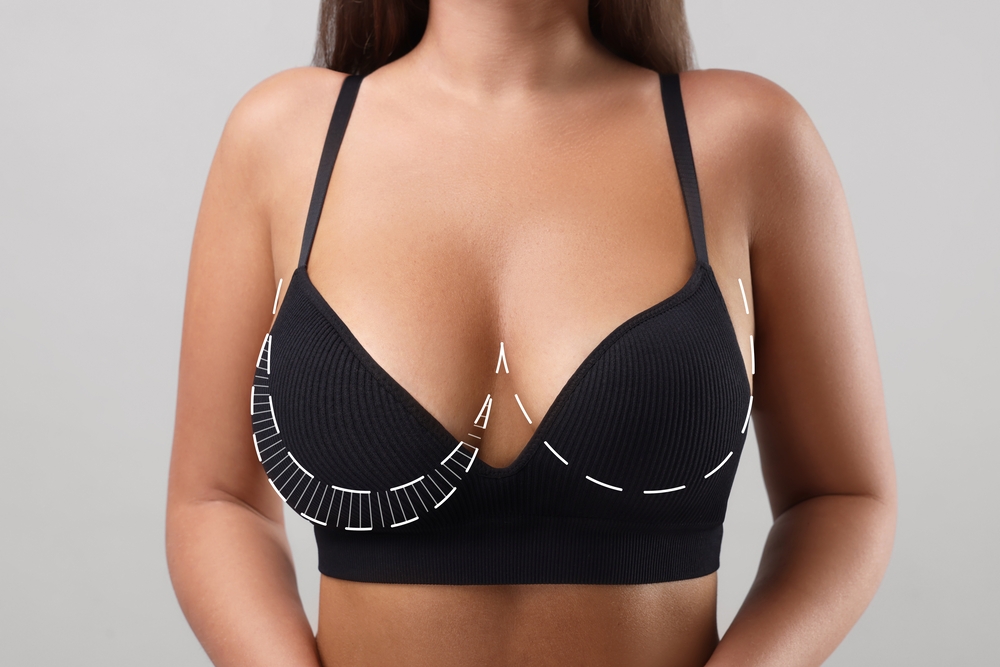
How Long After Breast Reduction Will I Know My Size?
Most people have a good idea of their new bra size around 6-12 weeks after breast reduction, but your “final” size and shape usually settle between 6-12 months as swelling fully resolves and the breasts soften and “drop” into their long-term position. If you’re asking, “How long after breast reduction will I know my size?”, the practical answer is: expect an early estimate by about 3 months, and plan on your most reliable size closer to 6 months (and sometimes up to a year).
During early healing, breasts can look higher, feel firmer, and measure larger than they ultimately will. That’s normal – and it’s why many patients feel like their size is “changing” even when their overall reduction result is on track.
What to Expect After Breast Reduction Surgery
Breast reduction recovery is a process. Even after you’re feeling better and back to many normal activities, the breasts continue to change subtly as swelling decreases and tissue settles. Understanding what’s “normal” at each stage helps you avoid buying bras too early or judging your final size too soon.
Immediate Post-Surgery Changes
Right after surgery, it’s common for breasts to appear:
Higher and more projected than expected
Tighter and firmer to the touch
Uneven (one side may swell more than the other)
Wider or boxier in shape temporarily
These early changes don’t reflect your final outcome. Your body is responding to surgery with inflammation, and the skin and internal tissues are adapting to a new structure.
Swelling and Initial Breast Size
Swelling is the main reason your early “size” can be confusing. In the first few weeks, swelling can:
Add volume to the breast
Make the breasts feel heavy or dense
Affect band fit and cup fit differently (especially if swelling sits high on the chest)
Week-by-Week Recovery Timeline
Every patient heals differently, but the timeline below reflects common milestones patients notice as they gauge their new size.
First Week
During the first week, you’re usually focused on comfort and rest rather than bra shopping. In terms of size and shape, expect:
The breasts to look the largest due to peak swelling
A high, firm appearance
Limited ability to assess fit accurately (dressings and post-op garments may be in place)
If you try on a standard bra this early, it may feel dramatically different from how it will later – often tighter in the cup, or awkward because the breasts are sitting high.
First Month
By weeks 2-4, swelling often begins to calm down, but it may still be significant. Many patients notice:
The breasts start to look less “puffy”
The outline under clothing becomes more predictable
Some softening, though the breasts can still feel firm
You may be cleared to transition through different support options based on your surgeon’s instructions, but most patients still aren’t ready for “final” bra sizing. Think of this month as the “early settling” phase.
Three Months
Around the 6-12 week mark, many patients can estimate their new size with greater confidence. At approximately three months:
Swelling is often much lower
The breasts may begin to drop slightly into a more natural position
Cup fit becomes more consistent from day to day
Six to Twelve Months
This is the phase where results typically look and feel the most “finished.” Between 6 and 12 months, many patients notice:
Continued subtle decrease in swelling
More natural softness
Ongoing settling (“drop and fluff”)
A more stable relationship between cup volume and band fit
By this point, your bra size is usually the most dependable for long-term shopping, especially for structured bras, special-occasion bras, or fitted garments.
When Will I Know My Final Bra Size?
A “final bra size” really means two things: final volume and final shape/position. You might fit into a certain cup size earlier, but the way that cup fits (where the fullest part of the breast sits, how the underwire rests, how the straps feel) can keep changing as the breast settles.
Timeline for Determining Final Size
A helpful way to think about timing:
0-4 weeks: too early; swelling dominates
6-12 weeks: reasonable working size for everyday bras
3-6 months: better stability; many patients buy more bras here
6-12 months: most reliable “final” sizing and fit
How Stable Is Bra Size After Initial Healing?
Even once you’re mostly healed, size can shift slightly due to:
Residual swelling resolving
Natural softening and settling
Changes in activity level during recovery
Weight fluctuations (even small ones can affect breast volume)
So yes, your size can be fairly stable by a few months, but it may still refine.
When Can You Start Shopping for New Bras?
Many patients start shopping in phases:
Early recovery: focus on surgeon-recommended support and comfort
Around 6-8 weeks: consider a few comfortable, non-restrictive everyday bras (often wireless)
After ~3 months: start building a more complete bra wardrobe
After ~6 months: invest in more structured bras if desired, since fit is typically more predictable
A practical tip: if you’re shopping before you feel fully “settled,” consider buying one or two bras first – then expand once your measurements stop changing.
Factors That Influence Your Final Breast Size
Two patients can undergo the same procedure and still end up with different “size timing” due to anatomy, healing patterns, and lifestyle. Here are key factors that can influence when your size becomes predictable.
Surgical Technique and Amount of Tissue Removed
The amount of breast tissue removed and how the breast is reshaped can influence:
How much early swelling you experience
How long it takes for tissues to soften
How quickly the breast settles into its new contour
Your surgeon can often discuss the expected range of outcomes in terms of proportion and appearance, but bra size is still an imperfect metric because brands and styles vary widely.
Initial Breast Size and Shape
Starting anatomy matters. Patients who begin with:
Very large breasts may notice a more dramatic size change early, but also may have more swelling to work through
Dense/heavier tissue can take longer to soften
Significant asymmetry may make the bra fit feel inconsistent until swelling evens out
Healing Rate and Tissue Composition
Healing speed is individual. Some people resolve swelling quickly; others hold onto it longer. Factors include:
How your body responds to inflammation
Skin thickness and tissue density
General recovery pace
Even your day-to-day swelling can vary early on, which is why sizing can feel “different” in the morning vs. the evening.
Skin Elasticity, Age, and Lifestyle
Skin elasticity can affect how quickly the breasts settle into their long-term position. In general:
More elastic skin may adapt and settle more quickly
Less elastic skin may take longer to settle into its final shape
Lifestyle also matters. If your activity levels change during recovery – or you return to exercise gradually – your body composition may shift, which can subtly affect bra fit.
Post-Surgery Care
Following your surgeon’s post-operative instructions can influence how smoothly you progress through swelling and settling. Support garments, activity restrictions, and follow-up visits all help tissues adapt appropriately, making it easier to assess your true size at the right time.
Understanding Bra Size Changes After Breast Reduction
Bra size is a measurement system, not a medical outcome – and it can be surprisingly inconsistent. Two bras labeled the same size may fit completely differently depending on brand, cup shape, and underwire structure. After breast reduction, this becomes even more noticeable because your breast shape often changes along with volume.
How Bra Size is Determined After Surgery
Bra sizing generally combines:
Band size: based on ribcage measurement
Cup size: based on the difference between the bust measurement and the band measurement
After reduction, both can shift:
Your band size may feel different if posture improves, swelling affects your upper torso, or you change how you prefer bras to sit.
Your cup size changes due to reduced volume, how the breast is shaped, and how high it sits during early healing.
Because measurements can be affected by swelling and settling, your tape-measure size at 3 weeks may not match your size at 3 months.
How Surgeons Estimate Post-Surgery Bra Size
Most surgeons focus on achieving a proportionate result that fits your frame and goals, not guaranteeing a specific labeled cup size. That’s because:
Bra sizing is not standardized across brands
Cup letter depends on band size (a “D” is not a fixed volume)
Post-op swelling temporarily changes measurements
In consultations, you can discuss your priorities, such as wanting a smaller, lighter feel, better balance, or easier clothing fit, and then use those goals to guide planning.
Accuracy of Bra Size Predictions
Even with careful planning, predicting a final labeled bra size has limits. Common reasons include:
Variations in bra manufacturing and sizing
Individual swelling patterns
Tissue density and how the breast settles over time
How Breast Reduction Impacts Bra Fit and Comfort
The goal for many patients is not just “smaller,” but also more comfortable and easier to support. As swelling resolves and the shape settles, many patients notice:
Less strain from straps
Better cup containment without excessive compression
Improved fit in everyday clothing
More options in bra styles, including wireless designs
Fit often improves over time as the breast softens and conforms more naturally to a bra’s shape.
Managing Expectations During Recovery
It’s completely normal to feel impatient about size, especially if you’re excited to buy clothes that fit differently or you’ve spent years uncomfortable in bras. The key is to recognize that early recovery is transitional.
Tips for Adjusting to Your New Shape
A few practical strategies can make the waiting period easier:
Use “checkpoint” fittings: try on the same bra style every few weeks to notice trends rather than day-to-day changes
Start with flexible bras: soft cups and adjustable bands can accommodate small fluctuations
Avoid buying a full wardrobe too early: pick a couple of reliable options, then expand later
Track comfort, not just numbers: less bouncing, less strap digging, and easier clothing fit are meaningful indicators even before final sizing
If you’re measuring at home, be consistent: same tape, same posture, same time of day, and don’t be surprised if you get slightly different numbers early on.
Conclusion
If you’re wondering how long after breast reduction will I know my size, plan on an early, useful estimate by about 6-12 weeks, with your most stable bra size and fit typically settling between 6-12 months. Swelling, tissue settling, and bra-brand differences all affect timing – so the approach is to shop in stages, prioritize comfort early, and let your results finish maturing before investing in a full set of structured bras.

About the Author
Dr. Samir S. Rao
March 30, 2026