
Breast Reconstruction
in Washington, D.C.

Restore Your Shape, Confidence, and Sense of Wholeness

There are many approaches to breast reconstruction, so women in Washington, D.C., Chevy Chase and Bethesda, MD, Arlington and Fairfax, VA, and surrounding areas who desire breast reconstruction are likely to be candidates for at least one of these techniques. Many patients will benefit from a combination of approaches.

Breast reconstruction is a surgical procedure or series of procedures that aim to restore and rebuild a woman’s breast tissue after a mastectomy, lumpectomy, or partial mastectomy. Having a mastectomy for breast cancer can be a traumatic experience, which is why breast reconstruction is considered restorative. In addition to improving the aesthetic of the breast and overall figure, this procedure is also an important part of cancer recovery.

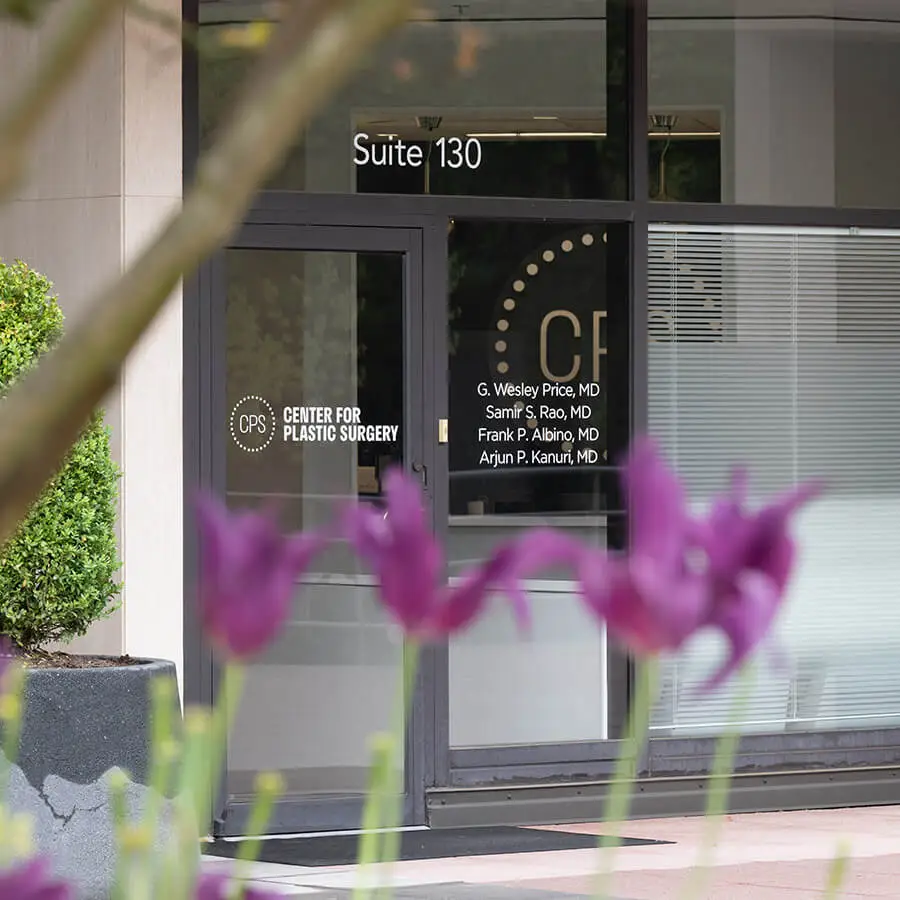
At Center for Plastic Surgery, our breast reconstruction specialists help patients understand their options, restore breast shape, and make informed decisions about the next step in their recovery.

See the Difference: Breast Reconstruction Before & After Photos

Explore our photo gallery of real patient results to see how a liposuction procedure has helped men and women refine their shape and regain confidence. Keep in mind that each patient is unique, and your results may vary.

Real Stories: Breast Reconstruction Patient Reviews

Read what our patients have to say about their experiences and the care they received at Center for Plastic Surgery.

“Best place to have all cosmetic procedures. Dr’s and staff are wonderful, knowledgeable, and so professional. They take their time to achieve excellent results.”
“Each interaction, from the reception area to the consultation, underscored a commitment to outstanding care, transforming what could often be a stressful experience”
“I have been a patient of CPS for over 20 years and I would trust my body and life with their experienced team of doctors.”
Breast Reconstruction Patient Testimonial – Dr. Arjun Kanuri

Breast Reconstruction Cost
in Washington, D.C. &
Flexible Financing Options

Breast Reconstruction Patient Testimonial – Dr. Arjun Kanuri
It is required by law for health insurance policies to cover breast reconstruction after mastectomy; however, this coverage varies depending on the policy.
Coverage usually includes all phases of breast reconstruction, including the nipple/areolar reconstruction, as well as surgery on the opposite breast for symmetry. Coverage and pre-approval vary by insurance company or HMO by policy, even from the same company.

It is important that you call your insurance provider beforehand for information on your individual insurance coverage for breast reconstruction following mastectomy. Our team will be happy to answer any questions you may have regarding financing and insurance.

Because breast reconstruction may involve multiple stages, different techniques, and coordination with your cancer care team, your specific coverage and out-of-pocket costs will depend on your insurance plan, surgical plan, and medical needs.

Why Choose Center for Plastic Surgery for Your Rhinoplasty?

It is strongly recommended that any patient considering breast reconstruction seek a plastic surgeon who has specialized training and significant experience in breast reconstruction for mastectomy patients. If you are considering an advanced breast reconstruction procedure such as a DIEP flap, you will need to find a plastic surgeon with specific training and experience in microsurgery techniques.
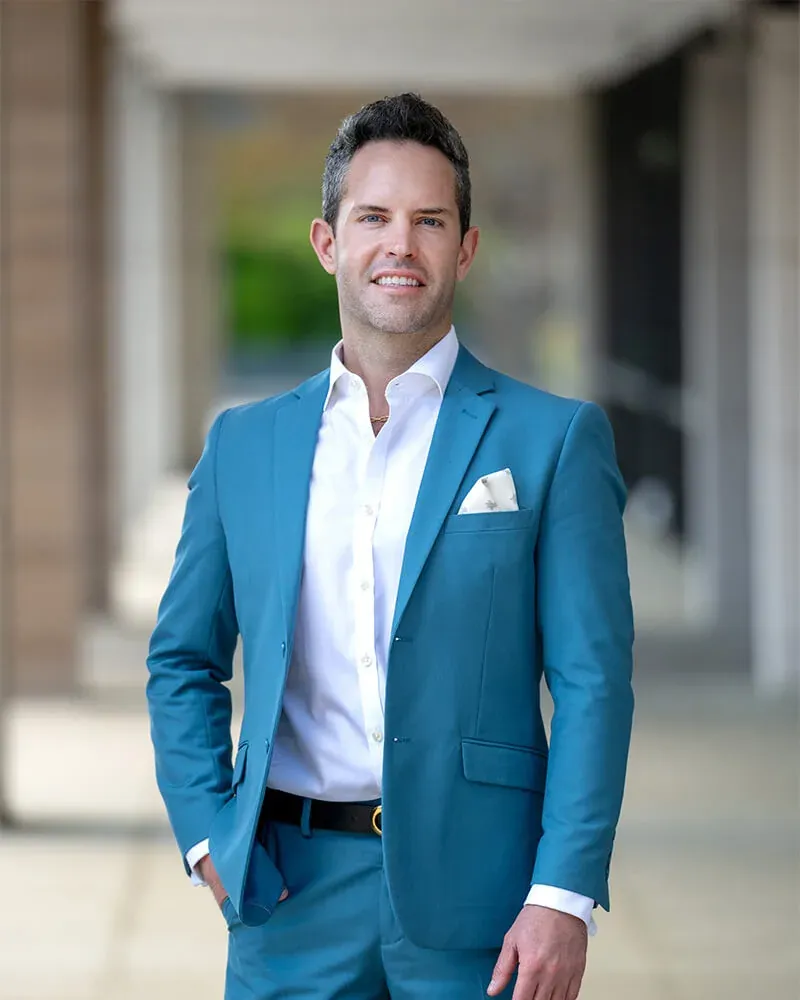
We are proud to have several breast reconstruction specialists on our surgical team at Center for Plastic Surgery.
Dr. Samir Rao is experienced in multiple breast reconstruction techniques, including advanced prosthetic breast reconstruction using tissue expanders and implants, microsurgical breast reconstruction using the body’s own tissue, and oncoplastic surgery. Before joining Center for Plastic Surgery, Dr. Rao trained alongside internationally renowned breast reconstruction surgeons at Georgetown University Hospital and completed microsurgery training at the Curtis National Hand Center.
Dr. Frank Albino specializes in natural tissue breast reconstruction using microsurgical techniques, including DIEP flap, muscle-sparing TRAM flap, thigh flaps (TUG and PAP), SIEA flap, and fat-grafting, as well as prosthetic breast reconstruction using implant/tissue expander and direct-to-implant techniques. A graduate of the highly prestigious Integrated Plastic Surgery Residency Program at Georgetown University Hospital, Dr. Albino completed an additional year of intensive fellowship training in reconstructive microsurgery for the breast and body at the University of Pennsylvania. He has also authored numerous peer-reviewed publications incorporating his research on advancements in autologous breast reconstruction.
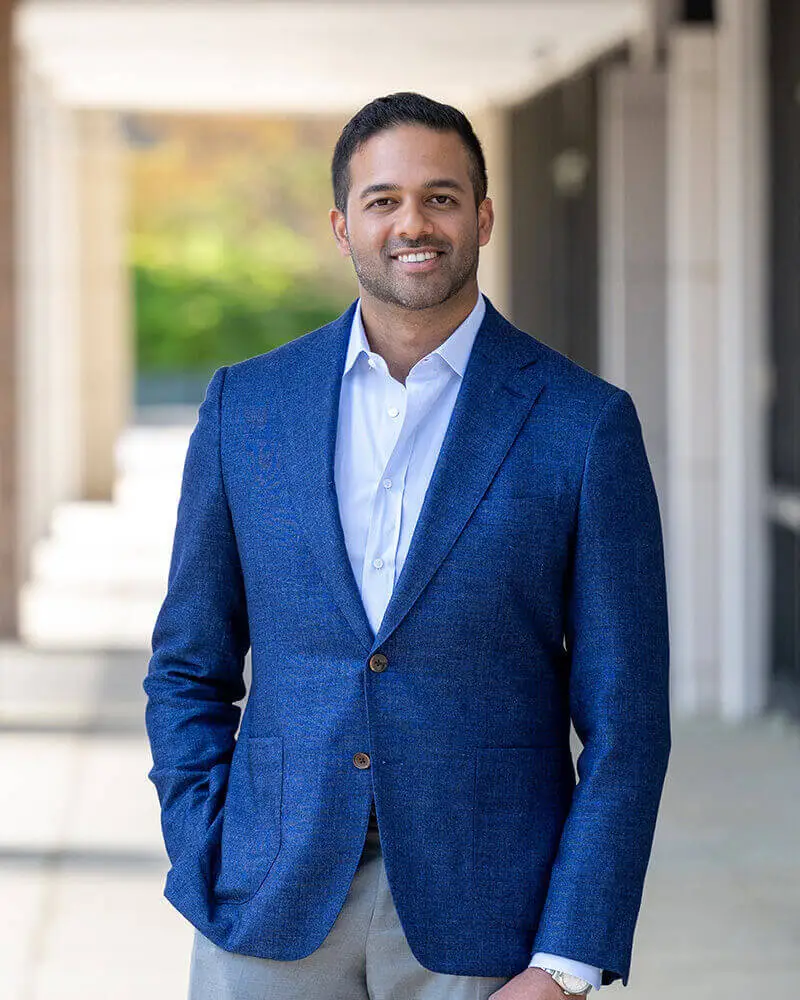
Dr. Arjun Kanuri is a graduate of Georgetown University Hospital’s highly competitive Integrated Plastic Surgery Residency, where he served as the administrative chief resident. Dr. Kanuri is one of the few plastic surgeons to complete an additional year of post-residency training in aesthetic plastic surgery at the Manhattan Eye, Ear and Throat Hospital, or MEETH. His well-rounded, comprehensive training in all aspects of face and body plastic surgery provides his patients with superb, natural-looking breast reconstruction results.
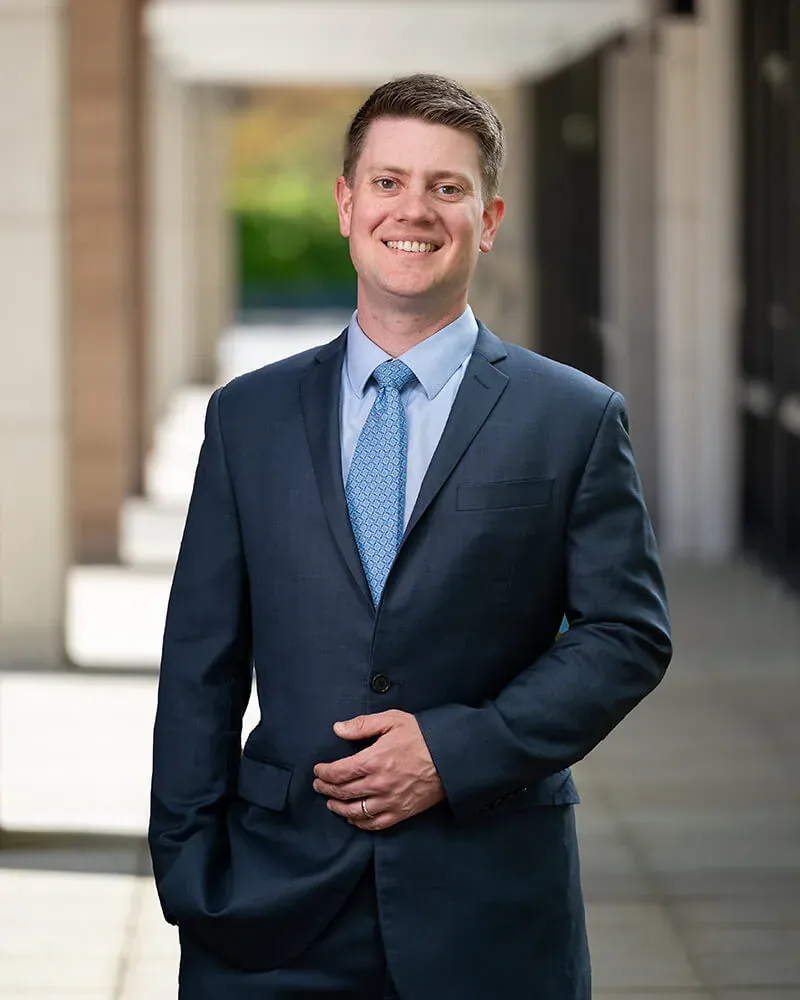
Dr. Christopher Fleury has extensive experience in plastic and reconstructive surgery, completing an integrated residency program at MedStar Georgetown University Hospital and an advanced fellowship at the University of Washington in Seattle. He has extensive training in microsurgery and supermicrosurgery, adding a nuanced layer of expertise to his in reconstructive plastic surgery.
Breast reconstruction is deeply personal. At CPS, our surgeons combine advanced reconstructive training, microsurgical expertise, and compassionate care to help patients restore breast shape while prioritizing safety, health, and emotional well-being.

Book Your Breast Reconstruction Consultation Today

The best way to determine your candidacy for breast reconstruction is to schedule a consultation with one of our breast reconstruction experts and work closely with them to discover the best route of care that will suit your needs.

During your consultation, your surgeon will review your medical history, cancer treatment history, goals, available reconstruction options, and whether immediate or delayed reconstruction may be appropriate for you.

To schedule your breast reconstruction consultation, please call (703) 560-2850 for our Tysons Corner location, (301) 652-7700 for our Chevy Chase location, or fill out our online contact form.

Dr. Rao Breast Reconstruction Interview | Center for Plastic Surgery in Washington, D.C.

What Is Breast Reconstruction?

Dr. Rao Breast Reconstruction Interview | Center for Plastic Surgery in Washington, D.C.

Modern breast reconstruction began in the 1960s with the development of the silicone breast implant. Four decades of research have resulted in a variety of breast reconstruction techniques and surgical procedures that are safer and more reliable than ever.

With the enactment of the Women’s Health and Cancer Rights Act in 1998, health insurance companies are now required by law to provide coverage for breast reconstruction following mastectomy.

Breast reconstruction is a surgical procedure or series of procedures that aim to restore and rebuild a woman’s breast tissue after a mastectomy, lumpectomy, or partial mastectomy.

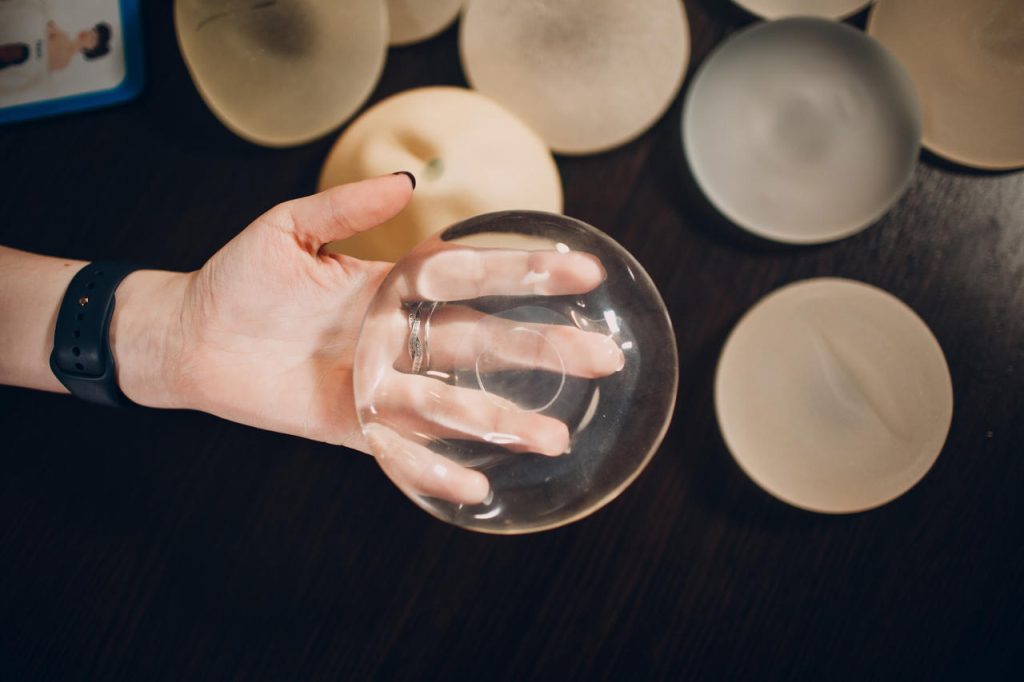
This procedure may involve implants, your own tissue, fat grafting, nipple-areola reconstruction, opposite-breast surgery for symmetry, or a combination of techniques. Your surgeon will help you understand which approach best supports your health, body, and goals.

Benefits of Breast Reconstruction

Breast reconstruction is a highly customized and personal procedure, as it can be an essential step in the healing process after breast cancer or disease.
In addition to functioning as a concluding step in the healing process, breast reconstruction benefits include:
Patients have wholly personal and individual feelings about breast reconstruction; this procedure will likely bring you additional benefits outside of this list.
For many women, breast reconstruction can help restore a sense of balance, comfort, and control after breast cancer treatment.

Who Is an Ideal Candidate for Breast Reconstruction?

Most women who have had a mastectomy and are in otherwise good health are candidates for breast reconstruction. Your cancer surgeon and plastic surgeon will work together to choose the technique that will achieve the best results in terms of safety and aesthetics.
Factors that influence the selection of a reconstruction technique include:

Patients who have had prior radiation therapy, previous breast surgery complications, or congenital breast differences may still be candidates for breast reconstruction, although these situations may require more specialized planning.

How Breast Reconstruction
Is Performed

Breast reconstruction following a mastectomy has been a major advancement in the treatment of patients with breast cancer. With today’s mastectomy and plastic surgery techniques, almost all mastectomy patients can have breast reconstruction and enjoy the physical and psychological benefits that usually accompany this restorative procedure.

Breast Reconstruction Techniques

There are multiple different breast reconstruction techniques:
For most patients, breast reconstruction will require two to three surgical procedures. The first and most involved procedure is the primary reconstruction of the breast mound or breast shape, which may be done in several ways.
The second procedure usually consists of additional work on the breast shape or the placement of the breast implant. Any procedures needed to make the opposite breast more similar to the affected breast, such as fat grafting, would also be done at this time.
The final step is usually the nipple/areolar reconstruction. The location of the nipple/areolar area is critical to breast appearance and is usually done after all other reconstructive stages are completed.

Preparing for Your Breast Reconstruction

Whether you undergo breast reconstruction at the same time as a mastectomy or as a separate procedure depends on the nature of your breast cancer, your overall health, and the recommendation of your cancer surgeon.

During your initial consultation, you’ll meet with one of our breast reconstruction specialists and discuss your previous and current medical history, including any cancer treatments and surgeries. You’ll be able to ask questions, voice any concerns, and discuss your goals for the reconstruction.
Your surgeon may evaluate your physical condition, including the amount of available tissue if autologous reconstruction is of interest to you, as well as assess your skin quality and any scars. Then, your surgeon will provide you with multiple options for reconstruction before outlining a possible surgical plan for you.
Before surgery, you may be asked to complete lab testing or medical evaluation, review medications and supplements, stop smoking or using nicotine, and plan for time away from work and daily responsibilities.
You may also want to arrange help at home during the first stage of recovery, especially since breast reconstruction can take several weeks of healing. With your doctor’s approval, healthy eating and light activity before surgery may help strengthen you and support your recovery.

Considerations With
Radiation & Chemotherapy

Both radiation therapy and chemotherapy can influence the type and timing of breast reconstruction. Radiation therapy affects the quality of the skin and may rule out or lend itself more easily to certain reconstructive procedures.
Patients who are having chemotherapy may have to postpone the start or completion of reconstructive surgery until the chemotherapy is completed.
Because every breast cancer journey is different, your timing, technique, and number of procedures will be personalized around your medical care, cancer treatment plan, and reconstruction goals.

What to Expect During
Breast Reconstruction

Your surgical plan will encompass more than just the procedure steps, as your plastic surgeon will work with your oncologist and you to determine the timing of the procedure.
Some patients opt for an immediate reconstruction, which occurs at the time of mastectomy. Others choose or are advised to wait and undergo a delayed reconstruction, in which each procedure is a separate surgery.

Immediate Reconstruction

Patients who are aware, prior to their surgery, of the possibility of breast reconstruction often elect to have the procedure started at the time of the mastectomy, with approval from the surgeon and oncologist.
Since the general surgeon must perform a complete mastectomy and also leave sufficient remaining healthy tissue to be used in the reconstruction, your plastic surgeon and general surgeon must work closely together.
The most obvious advantage of immediate reconstruction is that it allows you to avoid an additional hospital stay. Psychologically, mastectomy patients who have immediate breast reconstruction also experience less post-mastectomy depression because their positive body image is retained.

Delayed Reconstruction

While patients who have already had a mastectomy cannot choose to have immediate reconstruction, they still are candidates for many of the same reconstructive techniques later on.
Waiting has its own advantages. Not only is the mastectomy completely healed with delayed reconstruction, but the patient has had time to accomplish the following:

Breast Reconstruction Recovery & Aftercare

Because breast reconstruction is so custom, recovery timelines will vary. Recovery will also depend on your age, health, healing process, and the surgical technique used.
Be sure to follow your aftercare instructions closely, as they will contain tips on how to care for your incisions, when to take medications, and more.
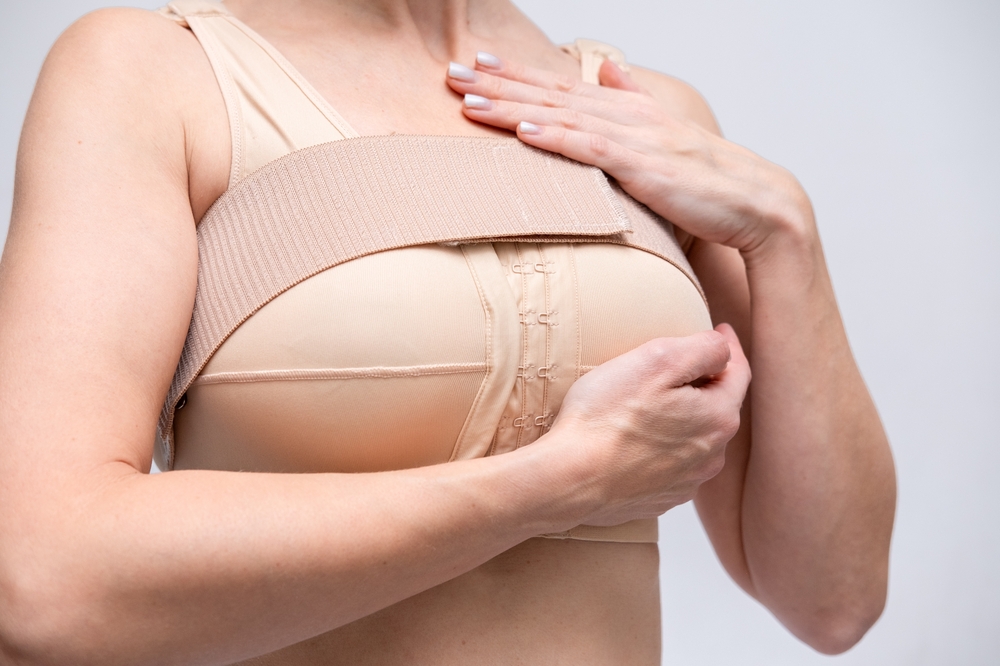
Immediately following surgery, expect some swelling, bruising, and discomfort. Any pain should be manageable with over-the-counter medications or prescription medications. You may be required to stay overnight in the surgical center, especially for complex cases.

Breast Reconstruction Recovery Timeline

Because breast reconstruction often involves multiple surgeries, this timeline is not definite. Your surgeon will provide you with more detailed, customized information for post-operative care and recovery rules. Use this timeline as a rough estimate.
Week One
Week Two
Weeks Three and Four
Month Two
Month Three and Beyond
Because breast reconstruction recovery can vary significantly, especially for flap reconstruction, implant reconstruction, opposite-breast procedures, or nipple-areola reconstruction, your surgeon will provide a recovery plan specific to your procedure.

What Results Can I Expect From Breast Reconstruction?

Expectations for results in breast reconstruction will vary with each patient. Our goal is to create a soft breast that has a good shape and is reasonably symmetrical with the opposite breast. This is easier to achieve for some patients than others.
The results depend upon the way the individual patient heals, the type of mastectomy, the reconstruction technique chosen, and the patient’s existing tissue and opposite breast.
All mastectomy patients should expect to lose some sensation over the chest wall, underarm, and inner arm areas. While reconstruction will not improve sensation in these areas, it should not lessen it.
Most patients can expect a breast volume that approximately matches the opposite breast, although there are some limitations on the size of a reconstructed breast.
Symmetry is a primary goal in breast reconstruction, but can only be obtained in some patients by altering the opposite breast. About 30 to 40% of mastectomy patients will choose opposite-breast surgery in order to match the shape and volume of the reconstructed breast.
This improves appearance and sense of balance and makes the fitting of clothes and dressing easier. Some patients also find that a slight degree of asymmetry is acceptable and will choose not to alter the opposite breast. Some elect not to follow through with nipple/areolar reconstruction.

Breast Reconstruction FAQs

How can I prepare for breast reconstruction?
You may be asked to undergo lab testing and medical evaluation, likely with collaboration from your oncologist. Your breast reconstruction surgeon will discuss any medications or supplements you’re taking, and you may be asked to pause or stop taking certain medications that can affect surgery.
You’ll also be asked to stop smoking or using nicotine products, as this interferes with healing. Depending on your surgical plan, you may have more control over scheduling your surgery. If so, consider when you have availability to stay home from work, when you have time for recovery, and when you can get the most help from friends or family.
With your doctor’s OK, try incorporating a low-impact workout routine to get active without overdoing it. Swimming, jogging, and walking can help alleviate feelings of anxiety and help you feel stronger before surgery.
Breast reconstruction is performed using general anesthesia, so you will feel no pain during the procedure itself. However, you are likely to be sore and tired for at least two weeks following your procedure.
Your surgeon can provide you with a pain medication prescription, if necessary. You may experience some discomfort in the donor area for flap reconstruction, in the arm closest to the reconstructed breast, and in areas of the breasts.
Because breast reconstruction is so varied, including opposite breast surgeries, each patient will have a wholly different experience. While mastectomy often results in some loss of sensation in the breast, it does not result in pain, nor does breast reconstruction increase this loss of sensation.
Be sure to discuss any concerns you have about pain and discomfort with your surgeon at your consultation, as they will be able to detail what you can reasonably expect from your unique surgical plan and procedures.
All surgery results in some form of scarring, including mastectomy, lumpectomy, and breast reconstruction procedures.
The results will vary depending on the type of mastectomy performed; for example, with nipple-sparing mastectomy, the scar is usually hidden underneath the breast, whereas during a skin-sparing mastectomy, the scar may be outside the areola and extend across, down, or underneath the breast.
If you have autologous tissue reconstruction, you will also have a scar at the tissue donor site.
In any case, scars do not have to be severe, permanent marks on your body. With proper care, you can reduce the appearance of scarring with scar creams, silicone patches, and preventative care.
The goal of all breast reconstruction is that the patient feels whole, natural, and healthy. Our surgeons take every measure to ensure that you are as happy with your result as possible, which often includes ensuring that the breast looks and feels natural.
Different approaches to the procedure result in varying degrees of a natural-feeling result. For example, autologous breast reconstruction may result in the most natural feel, as this process utilizes fat, tissue, and muscle from your own body to reconstruct the breast mound.
Other options are successful as well, with advances in surgical technique and technologies giving breast reconstruction patients more viable options than ever.
You also have the opportunity to enhance breast symmetry by undergoing procedures on the opposite breast. The following surgeries are possible options for achieving symmetry: opposite-breast reduction, opposite-breast mastopexy, or opposite-breast augmentation.
These procedures may be discussed before breast reconstruction, although final decisions may be delayed until the first stage of reconstruction is complete and you and your physicians can better evaluate any asymmetry.
Almost any mastectomy patient can pursue breast reconstruction. This includes patients who have had prior radiation therapy, some other breast surgery complication, or a congenital breast deformity.
Each of these situations presents its own special complications, but most have solutions. The choices of reconstruction techniques are narrowed for patients who have had prior irradiation of the skin. In these cases, a flap technique usually provides optimal results.
Patients who have non-malignant breast disease with a resulting nipple-sparing mastectomy present one of the greatest challenges for breast reconstruction, even though neither the skin nor the nipple/areolar area has been removed. An implant or a tissue expander technique often provides the best results when a nipple-sparing mastectomy has been performed.

Schedule Your Breast
Reconstruction Consultation Today

If you have other questions or are considering breast reconstruction surgery, schedule a consultation with Center of Plastic Surgery in Washington, D.C. Our team is equipped with the expertise to help you feel confident in your body and yourself.

Please call (703) 560-2850 for our Tysons Corner location, (301) 652-7700 for our Chevy Chase location, or fill out our online contact form to schedule a consultation.