
BBL Recovery Week by Week: What to Expect

BBL recovery involves a 6-8-week healing process, with the most critical restrictions in the first few weeks and full results developing over 3-6 months. Knowing what to expect during each stage helps you plan your time off, arrange your living space, and set realistic expectations for your outcome.


Overview of the BBL Healing Process

A BBL involves liposuction to harvest fat from donor areas and fat transfer to the buttocks to create fuller contours. Both donor and recipient sites need to heal simultaneously, so recovery requires careful attention to how you sit, sleep, and move throughout several weeks.

The primary goal of BBL recovery is to allow your body to heal from liposuction and ensure the survival of the newly transferred fat cells. These fat grafts need time to establish a new blood supply in their new location, and any undue pressure during the initial weeks can compromise this process.

Your recovery will be managed through our AAAASF-certified ambulatory surgery center, ensuring the highest standards of safety and care from the moment your procedure is complete. The Center for Plastic Surgery also offers post-surgical services as part of our metabolic aesthetics program to support your body’s natural recovery during this critical time.


Key Factors Affecting Recovery Timeline

No two patients heal at exactly the same pace. Several factors influence how quickly you progress through each recovery milestone:

  • Volume of fat transferred: Larger volumes may require more extensive liposuction, which can prolong early recovery soreness.

  • Number of donor areas treated: If fat was harvested from multiple sites, you may experience more widespread tenderness.

  • Your baseline health and fitness level: Patients in good physical condition before surgery tend to recover more efficiently.

  • Adherence to post-operative instructions: Avoiding pressure on the buttocks, wearing your compression garment, and staying hydrated all play measurable roles in your outcome.

  • Whether additional procedures were combined: Some patients combine a BBL with other body contouring procedures, which can affect the overall recovery timeline.

  • Support systems: Having help at home, especially during the first week, can significantly improve your ability to rest and recover.

Your surgeon at the Center for Plastic Surgery will give you a personalized recovery plan during your consultation and refine it based on what happens during your procedure.


Week-by-Week BBL Recovery Timeline

Week 1: The Initial Healing Phase

The first week after a BBL is the most physically demanding part of recovery.

Days 1–3 are typically the most uncomfortable. Soreness is concentrated in the liposuction donor areas, and the buttocks may feel tight, swollen, and warm. Bruising is normal in both the donor and recipient areas. Rest is essential.

Prescribed pain medications will help manage discomfort. These medications can cause constipation, so stool softeners are recommended from the start. Extra-strength Tylenol can serve as an additional over-the-counter option for pain control as you begin transitioning off prescription medication, but always discuss any new medications with your surgical team first.

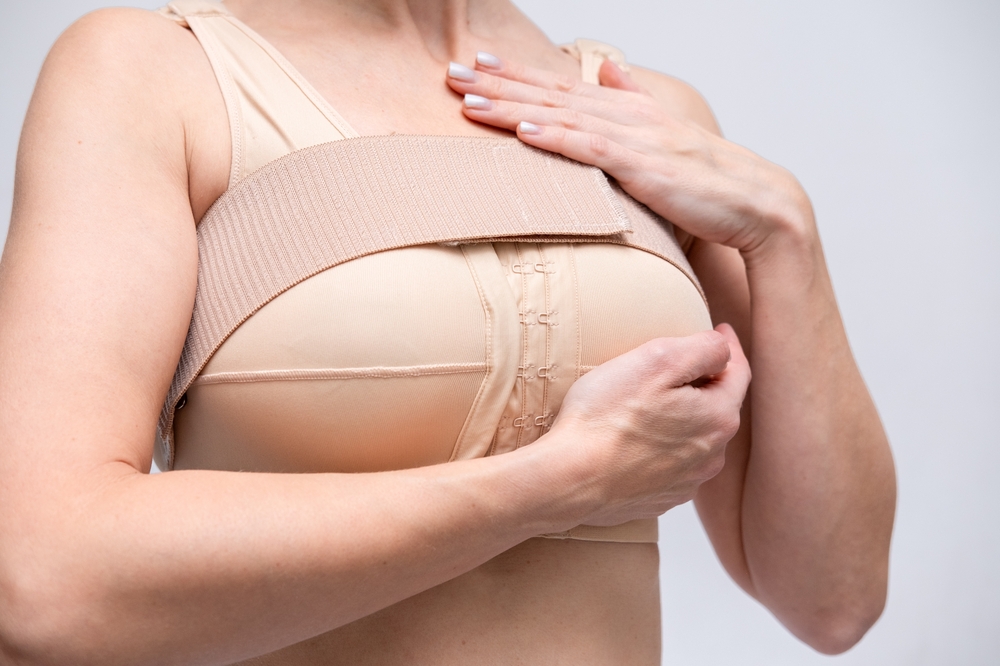
Days 4–7 usually bring noticeable improvement. Pain becomes more manageable, and many patients reduce or stop prescription pain medication. Swelling and bruising may look worse before they look better – this is a normal part of the inflammatory healing response. You will wear a compression garment over the liposuction areas 24/7, removing it only briefly to shower, as instructed.


Activity Restrictions and Care Tips

During week one, your primary job is to rest and protect the transferred fat. The single most important rule is to avoid putting any direct pressure on your buttocks.

  • No sitting directly on your buttocks. Arrange your seating to keep pressure off the area. When sitting is unavoidable, use a BBL pillow that offloads pressure from the buttocks onto the thighs.

  • Sleep on your stomach or side. Avoid lying on your back, as this places pressure on the buttocks.

  • Walk gently and frequently. Light movement is encouraged.

  • Stay hydrated and eat nutritious meals.

  • Arrange help for the first week. You will need a trusted friend or family member to stay with you for at least the first 24–48 hours, and ideally for the entire first week.

  • Attend your first follow-up appointment. Your surgeon will check your incision sites, assess swelling, and ensure everything is healing as expected.


Weeks 2–3: Critical Fat Survival Period

By the second and third weeks, you will notice meaningful changes. Bruising begins to fade, and swelling starts to decrease, though the buttocks will still appear larger than your final result due to residual inflammation. The liposuctioned areas might feel firm or lumpy, which is normal as the tissues heal.

Weeks 2-3 are a critical period for fat survival. The transferred fat cells are still establishing their blood supply, and any disruption can reduce the percentage of fat that survives permanently. Many patients feel significantly better during this phase and are tempted to resume normal activities too quickly. Resist this urge.

You will continue wearing your compression garment consistently. Gentle lymphatic drainage massage, if recommended by your surgeon, can help reduce swelling and improve comfort. Energy levels improve noticeably during these weeks. If your job allows you to stand or use a BBL pillow consistently, returning to work around the end of week two or during week three may be feasible – but only with your surgeon’s approval.


Guidelines for Sitting and Sleeping

The sitting restrictions remain in full effect during weeks two and three.

  • Continue using a BBL pillow whenever sitting is unavoidable.

  • Limit sitting duration. Even with a BBL pillow, try to limit sitting sessions to 15–20 minutes at a time.

  • Driving is generally not recommended during this period.

  • Continue sleeping on your stomach or side.

  • Avoid tight clothing that presses against the buttocks.


Weeks 4–6: Gradual Return to Activities

Weeks four through six represent a turning point. Most patients receive clearance from their surgeon to begin gradually reintroducing light activities.

  • Work: Many patients with desk jobs can return during this period, provided they continue using their BBL pillow and take frequent breaks to stand and walk.

  • Walking increases. You can extend your walks and slightly pick up the pace.

  • Sitting restrictions begin to ease. Many surgeons allow patients to sit for longer periods, though using a cushion or pillow may still be recommended.

  • Upper-body exercises (light weights, resistance bands) may be introduced around week 4 or 5, depending on your surgeon’s assessment.

  • Light lower-body exercises may begin around week six with your surgeon’s approval.

  • Compression garment use may be reduced.

  • Avoid any heavy lifting or straining.

Always wait for explicit approval from our surgical team before resuming any form of exercise. The key principle is gradual progression.


Noticing Early Results

This is the phase where your new shape becomes much more defined. As swelling continues to subside, the contours of your buttocks and liposuction donor areas become clearer. While a significant amount of swelling is gone, residual inflammation will continue to decrease over the coming months.

It is important to understand that what you see at week four or five is not your final result. Some patients notice slight asymmetry during this period – this is common and typically resolves as swelling decreases at different rates on each side.


Beyond 6 Weeks: Long-Term Recovery and Results

After six to eight weeks, you will have passed the most critical phase of recovery. The surviving fat cells have established a permanent blood supply and are now a living part of your body.

  • Full exercise routines, including lower body exercises, running, and high-impact activities, are typically cleared between weeks eight and twelve, depending on your surgeon’s guidance.

  • Sitting without restrictions is usually permitted by week eight for most patients.

Some patients experience intermittent tightness, numbness, or tingling in the liposuction areas for several months after surgery. These sensations are normal and typically resolve gradually.


Final Results and Ongoing Care

Your final BBL results become visible around three to six months after surgery. By this point:

  • Swelling has fully resolved.

  • Fat retention has stabilized. Most patients retain 60–80% of the transferred fat, though this varies.

  • Liposuction contours are fully defined.

Your new curves will fluctuate with any significant weight changes, just like any other fat on your body. Maintaining a stable weight through a healthy diet and a consistent exercise routine is the key to preserving your beautiful results for years to come.


Tips for a Smooth Recovery Process

  1. Prepare your recovery space before surgery. Set up a comfortable area where you can rest on your stomach. Stock up on healthy meals, medications, loose clothing, and your BBL pillow.

  2. Follow your surgeon’s instructions precisely. Your surgeon’s guidelines are tailored to you. Adhering to them is the single most effective way to ensure a safe recovery and optimal outcome.

  3. Wear your compression garment as directed. It may feel uncomfortable at times, but the garment plays an important role in reducing swelling and helping your skin retract smoothly over the liposuction areas. Do not stop wearing it early.

  4. Stay hydrated and eat protein-rich meals. Water supports every aspect of healing – from tissue repair to reducing swelling to preventing constipation from pain medication. A diet rich in protein, vitamins, and minerals provides your body with the building blocks it needs.

  5. Don’t rush it. Recovery is a marathon, not a sprint. The shape you see at week two or even week six is not your final outcome.

  6. Explore advanced healing support. At the Center for Plastic Surgery, we offer innovative therapies to enhance your recovery. Our post-surgical services provide a powerful blend of vitamins, minerals, and antioxidants directly to your system to reduce inflammation and support tissue repair. Additionally, peptide optimization therapy, such as BPC 157 and TB500, can accelerate the body’s natural healing mechanisms at the cellular level. Discuss these options during your consultation.

  7. Attend all follow-up appointments. Your surgeon needs to monitor your healing and address any concerns early. Our surgical team schedules regular post-operative visits to track your progress.

  8. Communicate with your surgical team. If something feels off or you have questions about what is normal, call the office.


When to Contact Your Surgeon

Most BBL recoveries proceed smoothly when patients follow their post-operative instructions. However, certain symptoms warrant a prompt call to your surgical team. Contact our office immediately if you experience any of the following:

  • A fever higher than 101°F that does not respond to Tylenol

  • Severe or escalating pain that is significantly worse than the days before, especially if not controlled by your medication

  • Excessive bleeding or drainage from your incisions

  • Green or yellow-colored, foul-smelling drainage

  • Redness that is spreading around an incision site, especially if accompanied by warmth, hardness, or streaking

  • Shortness of breath, chest pain, or significant pain, swelling, or redness in one of your legs – these require immediate medical attention

Your surgeon will review all warning signs with you before your procedure and provide direct contact information for after-hours concerns. The Center for Plastic Surgery operates from an AAAASF-certified ambulatory surgery center, and your safety is built into every step of the process.


Conclusion

Understanding your BBL recovery puts you in the strongest position to heal well and achieve the results you want. The first week demands rest and discipline around sitting restrictions. Weeks two through three are critical for fat survival. By weeks four through six, you begin returning to light activities and seeing your early results take shape. And by three to six months, your final contours become visible.

About the Author

Dr. Samir S. Rao

Dr. Samir S. Rao

June 11, 2026