
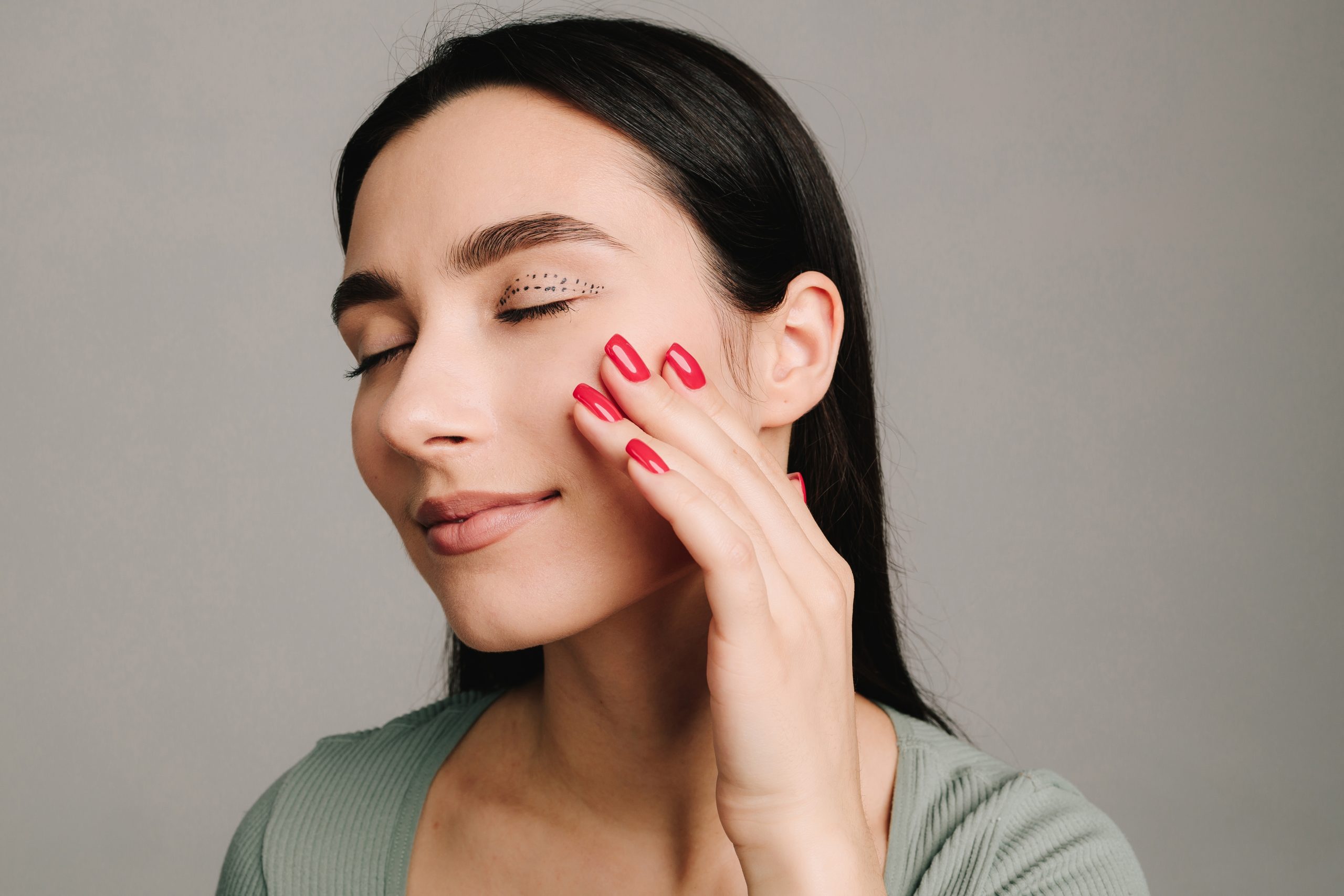
How to Qualify for Eyelid Surgery?
To qualify for eyelid surgery, you generally need to be in good overall health, be a non-smoker, have realistic expectations, and have a specific concern – whether cosmetic, such as drooping upper lids, excess skin, or under-eye bags, or medical, such as excess eyelid skin that blocks your vision. The surest way to know if you are a candidate is through a one-hour in-person consultation at the Center for Plastic Surgery, where a surgeon will examine your eyelids, review your health history, and help you decide whether surgery is right for you.
Below, we walk through the conditions this surgery treats, the signs to watch for, and exactly what it takes to be a good candidate.
Understanding Eyelid Conditions: Ptosis and Dermatochalasis
When patients visit our office, their concerns often fall into two main categories.
Dermatochalasis: The most common reason people seek cosmetic eyelid surgery. It refers to excess, loose, or redundant skin on the upper or lower eyelids. On the upper lids, this extra skin can fold over and rest on the eyelashes, creating a “hooded,” tired appearance. On the lower lids, it often shows up as wrinkles, puffiness, or bags.
Ptosis: A condition where the upper eyelid itself droops, not just the skin. It happens when the levator muscle that lifts the eyelid weakens, stretches, or detaches – often due to aging, but sometimes present from a young age or caused by an injury. Ptosis can affect one or both eyes and may partly cover the pupil, obstructing your field of vision.
These two conditions sometimes appear together, which is why a professional exam matters. During your consultation, our surgeons will assess whether your concern is loose skin, a weakened muscle, or both – and that answer shapes your customized treatment plan.
Signs You May Need Eyelid Surgery
You may be a candidate for an eyelid lift if you experience one or more of the following:
Tired or angry appearance. Heavy upper lids can make you look worn out, sad, or older than you feel even when you are well-rested.
Excess skin folds. Loose skin that rests on your lashes or crowds the natural crease of your eye, sometimes making it difficult to apply eyeshadow or eyeliner.
Puffiness or under-eye bags. Persistent swelling on the lower lids that doesn’t go away with rest and that makeup no longer hides.
A heavy feeling around the eyes. Some people notice their lids feel weighed down by the end of the day.
Trouble with your side vision. Drooping upper-lid skin can block the upper edge of your peripheral field of view.
Straining to lift your brows. Many people unknowingly raise their eyebrows all day to keep their lids open, which can cause forehead fatigue.
Cosmetic vs. Medical Reasons for Eyelid Surgery
Eyelid surgery can be performed for cosmetic or functional (medical) reasons, and the motivation behind your procedure is a key factor in qualification.
Cosmetic reasons focus on appearance. The goal is to remove excess skin and fat to create a more youthful, open eye. You may simply want to look more refreshed and reduce puffiness.
Medical reasons focus on function. When sagging upper eyelid skin blocks part of your vision, the surgery is considered medically necessary.
Who Is a Suitable Candidate for Eyelid Surgery?
Here are the main characteristics that may qualify you as a candidate for eyelid surgery:
You are a non-smoker, or willing to quit.
You have realistic expectations. Surgery can refresh your appearance and improve vision that is blocked, but it will not achieve perfection or stop the aging process entirely.
Your concerns are stable and clearly defined, whether loose skin, under-eye bags, or drooping lids.
You have healthy eyes without serious conditions, such as uncontrolled glaucoma or severe dry eye that surgery could worsen.
The only way to confirm candidacy is an in-person evaluation. Our surgeons will develop a customized plan based on your face, goals, and desired outcome. Consultations last about one hour and take place in a comfortable, no-pressure setting.
Who Is Not a Candidate for Eyelid Surgery?
Eyelid surgery isn’t right for everyone. You may not be a candidate – or may need to wait – if:
You have certain untreated eye conditions, such as active eye infections, severe dry eye disease, glaucoma, or a detached retina that must be evaluated or resolved first.
You have serious uncontrolled medical conditions, such as uncontrolled high blood pressure or diabetes, that make elective surgery unsafe.
You are unable to stop smoking for the recommended period around surgery.
Your expectations don’t match what the procedure can deliver.
Your concern could be addressed another way, such as a brow lift when the real issue is a heavy brow rather than the eyelid itself.
The consultation process is designed to be comfortable and no-pressure, and our team will tell you honestly if a different procedure is a better fit.
What Tests to Expect for Vision Impairment
When your eyelid surgery may be medically necessary, your evaluation goes a step further than a cosmetic exam. To show the procedure is not purely cosmetic, an objective measurement of vision loss is required.
Common assessments include:
A visual field test. You look into a machine and press a button each time you see a flash of light in your peripheral vision. The test is performed twice – once with your eyelids in their natural, drooping state, and again with your lids gently taped up to simulate the post-surgical result. A significant improvement on the second test provides the objective evidence needed.
Photographs of your eyes. Images document the position of your eyelids and the amount of excess skin present.
An eyelid and eye health exam. Your surgeon checks the position of your lids, the strength of the lifting muscle, and the overall health of your eyes.
Bring any relevant medical or eye-care records to your appointment so your surgeon has the full story.
Conclusion
So, how can you qualify for eyelid surgery? It comes down to good health, realistic expectations, and a clear cosmetic or medical reason. Conditions like ptosis and dermatochalasis, along with signs such as tired-looking eyes or blocked side vision, are common reasons patients seek treatment. The next step is a comprehensive, in-person evaluation at our office, where we will assess your health, discuss your goals, and create a personalized plan to help you achieve your desired outcome.

About the Author
Dr. Samir S. Rao
July 6, 2026