
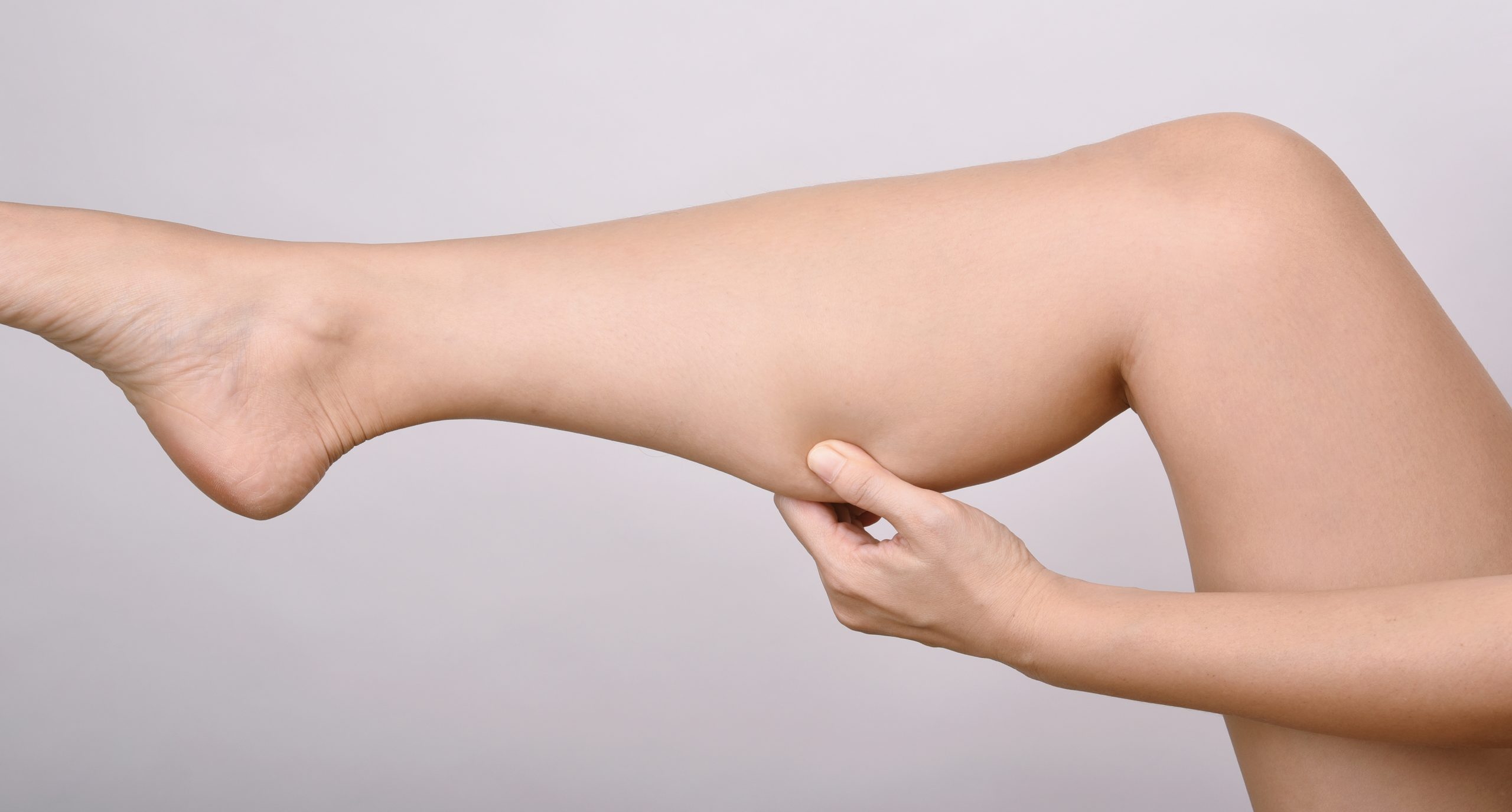
How to Get Rid of Cankles with Liposuction?
Liposuction is a highly effective surgical solution for getting rid of “cankles” by precisely removing the stubborn, localized fat deposits that obscure the natural taper between the calf and the ankle. This procedure allows our board-certified plastic surgeons to sculpt a more defined lower-leg contour, achieving results that diet and exercise alone often cannot. For individuals who are self-conscious about the appearance of their lower legs, this targeted approach can create a significant and lasting aesthetic improvement.
What Are Cankles?
Technically, “cankles” is not a medical term. The word is a blend of “calf” and “ankle,” used to describe the visual effect when there is little to no definition separating the two. Instead of a slender curve inward from the base of the calf muscle to the ankle bone, the leg appears to continue straight down, sometimes looking columnar or heavy.
For most people seeking a cosmetic solution, the issue is stubborn, localized fat. This fat is particularly frustrating because it doesn’t respond well to general weight loss or targeted exercises like calf raises. You can’t “spot reduce” fat through exercise, which is why a surgical approach like liposuction is often the most effective and direct path to achieving the desired contour.
Can Liposuction Eliminate Cankles?
When diet and exercise fail to create the lower leg definition you desire, liposuction offers a powerful and precise alternative. The primary reason it works so well for cankles is that it directly addresses the root of the problem: the excess fat cells themselves.
Unlike exercise, which shrinks the size of fat cells but doesn’t eliminate them, liposuction physically and permanently removes them from the body. This is why the results can be so dramatic and long-lasting. Our surgeons use a specialized cannula – a thin, hollow tube – to gently suction away the unwanted fat, allowing them to meticulously sculpt and re-contour the area.
Choosing liposuction provides several key advantages:
Targeted Fat Removal: It allows the surgeon to focus exclusively on the problematic area without affecting the surrounding tissues.
Permanent Results: The fat cells that are removed are gone for good.
Improved Definition: The procedure reveals the underlying muscle and bone structure, creating the tapered look that was previously hidden.
Minimal Scarring: Incisions are very small, often just a few millimeters long, and are strategically placed in natural creases to be as inconspicuous as possible.
Who Is a Good Candidate for Cankle Liposuction?
While liposuction is an excellent procedure, it’s not the right choice for everyone. A thorough consultation at one of our offices is the only way to determine your candidacy for certain.
Stable Weight: Candidates should be at or near their ideal body weight. Liposuction is for contouring, not significant weight loss. Patients who are on a stable weight-loss journey may also be good candidates.
Good Skin Elasticity: The skin on the lower legs must have enough elasticity to retract and conform to the new, slimmer contour after the fat is removed. Patients with poor skin elasticity may experience loose or sagging skin after the procedure.
Localized Fat Deposits: The issue should primarily be excess fat, not large calf muscles or swelling from a medical condition. During your consultation, your surgeon will assess the tissue to confirm it is primarily fat.
Realistic Expectations: A good candidate understands what liposuction can and cannot achieve. The goal is improvement, not perfection. Our surgeons are dedicated to providing a customized treatment plan that aligns with your aesthetic goals. Candidates will be required to stop smoking for a period before and after surgery
Preparing for Calf and Ankle Liposuction
While your specific instructions will be tailored to your health profile and surgical plan, general preparations typically include:
Medical Evaluation: You may be asked to get lab testing or a medical clearance from your primary care physician to ensure you are fit for surgery.
Medication Adjustments: You will need to avoid certain medications and supplements that can increase bleeding, such as aspirin, anti-inflammatory drugs (like ibuprofen), and some herbal supplements. Your surgeon will provide a detailed list.
Stop Smoking: As mentioned, you must stop smoking and using any nicotine products for several weeks before and after surgery to promote optimal healing.
Arrange for Help: Liposuction is a surgical procedure, and you will need some downtime. Arrange for a responsible adult to drive you home from our surgery center and to stay with you for at least the first 24 hours after your surgery.
Prepare Your Home: Set up a comfortable recovery space with pillows to elevate your legs, easy-to-reach entertainment, and pre-prepared meals. Having everything ready beforehand will allow you to focus on resting.
Our patient care coordinators will be in close contact with you leading up to your surgery day to answer any questions and ensure you feel fully prepared and confident.
The Liposuction Procedure for Cankles
Ankle and calf liposuction is a delicate procedure that requires a surgeon with a keen eye for detail and proportion.
Incisions: The process begins with your surgeon making a few very small, discreet incisions in the treatment area. These are typically placed in locations where they will be naturally hidden, such as in the ankle crease.
Tumescent Fluid: Next, a sterile solution called tumescent fluid is infused into the area. This fluid contains a local anesthetic (to numb the area and reduce post-op pain) and epinephrine (to constrict blood vessels, minimizing bleeding and bruising). This step makes the fat easier to remove and contributes to a safer procedure and more comfortable recovery.
Fat Removal: Using a thin, hollow tube called a cannula, the surgeon then carefully loosens and suctions out the excess fat. They will move the cannula back and forth through the fat layer, sculpting and contouring the area to create a smoother, more defined shape. The art of this procedure lies in removing just the right amount of fat from the right places to achieve a natural-looking taper from the calf down to the ankle.
Anesthesia and Comfort During Surgery
Your comfort and safety are paramount. Cankle liposuction can be performed under a few different types of anesthesia, and your surgeon will recommend the option that is right for you based on the extent of the procedure and your personal preferences.
Local Anesthesia with Sedation: For many patients, a combination of local anesthesia (the numbing agent in the tumescent fluid) and intravenous (IV) sedation is sufficient. This allows you to be in a relaxed, “twilight” state, unaware of the procedure but still breathing on your own.
General Anesthesia: In other cases, particularly if the liposuction is being combined with other procedures, general anesthesia may be recommended. You will be completely asleep and monitored by a board-certified anesthesiologist throughout the entire surgery.
During your consultation, your surgeon will discuss these options with you in detail, ensuring you are comfortable with the plan for your procedure day.
Recovery After Cankle Liposuction
Immediately after surgery, your lower legs will be placed in a special compression garment. This is a critical component of your recovery. The garment helps to:
Minimize swelling and fluid buildup.
Support the tissues and help the skin conform to its new shape.
Improve comfort and reduce bruising.
You will need to wear this garment continuously for a period of time recommended by your surgeon, usually for several weeks.
How Long Does Recovery Take?
The recovery timeline varies from person to person, but a general guide is as follows:
First Few Days: This is when you will experience the most swelling and discomfort. Rest and leg elevation are your top priorities.
1-2 Weeks: Most patients feel comfortable returning to a desk job and light daily activities within a week. Swelling and bruising will begin to subside.
2-4 Weeks: You can typically resume light exercise, such as walking.
4-6 Weeks: Most surgeons clear their patients to return to more strenuous activities and their full exercise routine.
When Will I See Final Results?
You will notice a difference in the shape of your ankles and calves right away, but your final results will not be visible immediately. Swelling can persist for several months, gradually diminishing over time. While you’ll see significant improvement within the first month, the final, beautifully contoured result may take anywhere from 3 to 6 months, or even up to a year, to fully emerge as all residual swelling resolves and the tissues settle completely.
Are the Results Permanent?
Yes, the results of liposuction are considered permanent. The fat cells that are suctioned out during the procedure are removed for good and will not grow back.
However, it is important to maintain a stable weight after your surgery. While the removed fat cells are gone forever, the remaining fat cells in the area and elsewhere in your body can still expand if you gain a significant amount of weight. Maintaining a healthy lifestyle with a balanced diet and regular exercise is the way to protect your investment and enjoy your newly contoured legs for years to come.
Conclusion
For those struggling with a lack of definition in their lower legs, cankle liposuction offers a definitive and lasting solution. By permanently removing stubborn, diet-and-exercise-resistant fat, our experienced plastic surgeons can skillfully sculpt a more slender and elegant contour from the calf to the ankle. This procedure can dramatically improve leg proportion and significantly boost self-confidence.
The first step toward achieving the legs you’ve always wanted is to schedule a personal consultation to discuss your goals and develop a customized treatment plan.

About the Author
August 6, 2026