
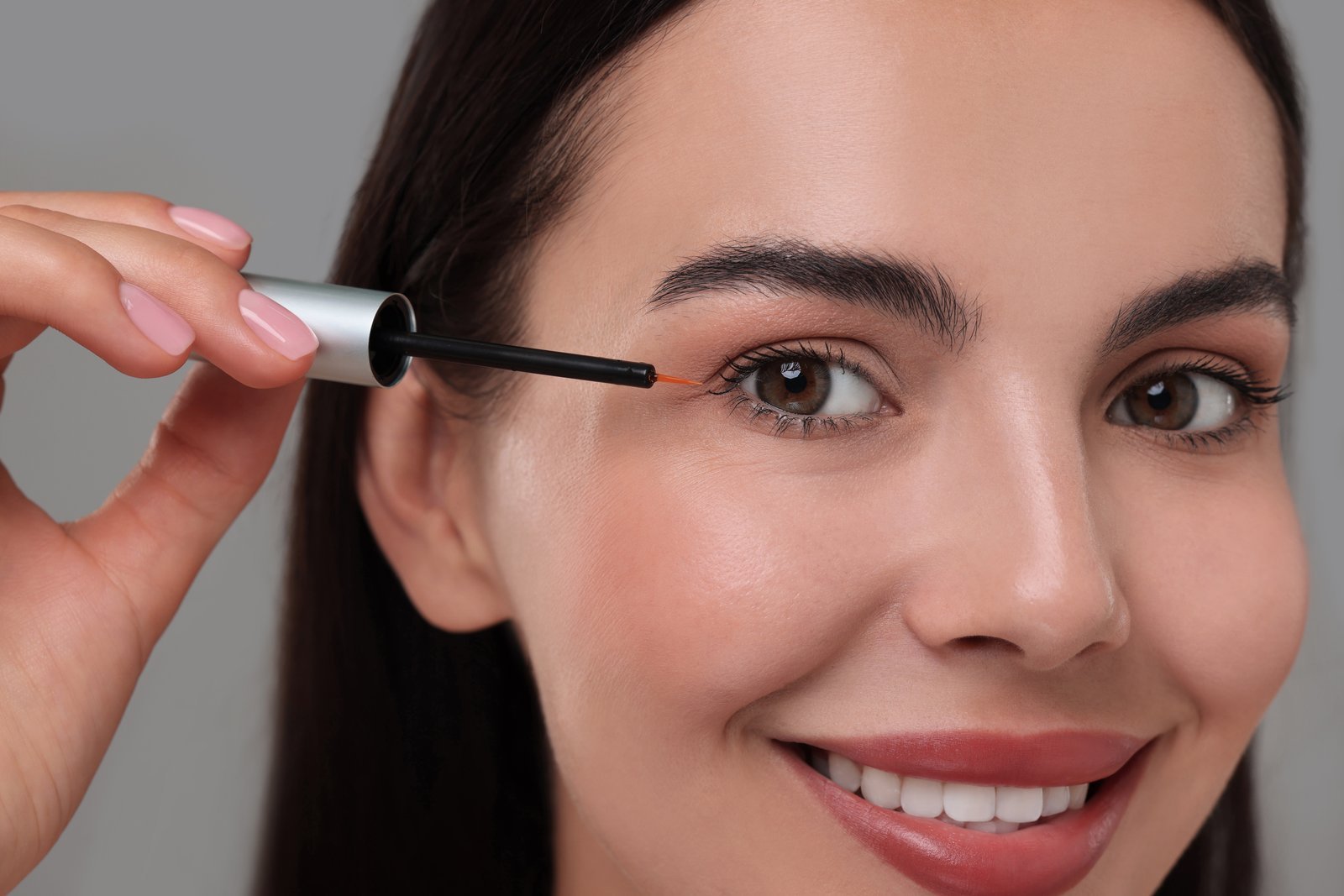
How Long Does LATISSE® Take to Work?
LATISSE® works gradually. Most people need about two months of nightly use before the change in their lashes is easy to see, and the full effect builds over about four months. In the clinical study behind its FDA label, half of users had a significant improvement by week 8 and 78% by week 16. Results last only as long as you keep using it.
If you have tried mascaras, lash serums or extensions and are tired of lashes that look thin no matter what you do, it helps to know what a realistic timeline looks like before you start. This guide walks through it week by week, using our LATISSE® page at Center for Plastic Surgery and the drug's FDA-approved prescribing information.
Week by Week: What the Clinical Study Showed
The first month is usually quiet, the second month is when most people notice a difference, and months three and four are when lashes reach their fullest. At Center for Plastic Surgery, most of our patients see significant improvement within a few weeks to two months.
The FDA prescribing information for LATISSE® reports a four-month study of 278 adults. One group used LATISSE® and the other used an inactive solution (the "vehicle"). Researchers counted how many people improved by at least one grade on a 4-point eyelash scale:
| Week | LATISSE® | Inactive solution | What you may notice |
|---|---|---|---|
| Week 1 | 5% | 2% | Little or nothing yet |
| Week 4 | 15% | 8% | Early changes for some |
| Week 8 | 50% | 15% | The change becomes visible for many |
| Week 12 | 69% | 20% | Longer, fuller, darker lashes |
| Week 16 | 78% | 18% | Close to the full effect |
By week 16, the same study measured an average increase in lash length of 25%, an increase in fullness of 106%, and lashes that were 18% darker. Those are averages from a study group, not a promise for any one person. Results vary, and your own lashes, consistency and health all play a part. A four-week follow-up after the study ended showed the effect already starting to fade, which is why steady use matters.
Why LATISSE® Takes Time
LATISSE® does not coat your lashes the way mascara does. It changes how they grow, so you have to wait for new growth to come in.
LATISSE® is an FDA-approved prescription treatment for thin or thinning eyelashes, a condition doctors call hypotrichosis. Its active ingredient, bimatoprost, was first used to treat glaucoma, which is how its lash-lengthening effect was discovered. The American Academy of Ophthalmology explains that many people using the glaucoma version noticed their lashes becoming longer and fuller. LATISSE® works by increasing the length of the lash hair and the number of hairs in their growth phase. Each lash has to move through that cycle, so the change builds week by week rather than overnight.
Getting the Most From Each Night
The routine is short, but doing it the same way every night is what moves you along the timeline. LATISSE® is a once-a-day treatment applied at home, with no downtime. The FDA label gives these steps:
Start clean: wash your face and remove all makeup and contact lenses.
One drop, one applicator: place one drop on a new sterile applicator from the package, close to the tip.
Upper lash line only: draw it along the skin at the base of your upper lashes, from the inner corner outward. The area should feel lightly moist, not wet.
Blot the extra: use a tissue to remove anything outside the lash line.
Fresh applicator for the other eye: throw each one away after a single use.
Using more than one drop, or applying more than once a day, will not grow lashes faster. The label is clear that extra applications do not increase growth. Only use the applicators that come with LATISSE®, and keep the bottle tip from touching your fingers, eye or any other surface, since a contaminated bottle or applicator can lead to an eye infection.
What Happens If You Stop?
Your lashes gradually return to how they looked before. The FDA label says lashes are expected to go back to their previous appearance over several weeks to months after you stop, so LATISSE® is an ongoing treatment, not a one-time fix.
Any darkening of the eyelid skin is also expected to fade over several weeks to months. A change in the color of the iris, the colored part of the eye, is different, as explained below. If you have eye surgery planned, ask your physician whether to continue.
Side Effects and Who Should Check First
Most side effects are mild and stay close to where the solution is applied. According to the FDA patient information, the most common are itchy eyes and eye redness, reported in about 4% of patients. Other possible effects listed on the label include:
Eye irritation, dryness and eyelid redness: the American Academy of Ophthalmology notes these go away when you stop using LATISSE®.
Darker eyelid skin: usually reversible after stopping.
Brown iris color: LATISSE® may increase brown pigment in the colored part of the eye. The FDA label describes this change as likely permanent, and it may take months to years to appear.
Hair growth where the solution touches: repeated contact with the cheek or other skin can grow hair there, which is why you blot the excess.
Differences between eyes: lashes can differ in length, thickness, color or direction from one eye to the other. These differences usually go away if you stop.
A hollower look around the eye: since approval, some users have reported loss of fat around the eye that deepens the upper eyelid crease. How often this happens is not known.
Some people need to check with a physician before starting. The AAO says people with certain eye problems, such as conjunctivitis, macular edema or uveitis, should not use the drug. If you use glaucoma drops or another medication to lower eye pressure, or have a history of eye pressure problems, the FDA label says to use LATISSE® only under your physician's supervision, because it may interfere with that treatment. Tell anyone who checks your eye pressure that you use it. Pregnant or breastfeeding? The label notes there are no adequate studies in pregnant women, so raise it at your consultation. Contact lens wearers should wait 15 minutes after applying before putting lenses back in.
If you have questions about fees, see our pricing and cost information page. Thinking about your whole skin routine? Our post on skincare habits you can start in your 40s and our MedSpa treatments are good next reads.
Interested in LATISSE® in Washington, D.C.?
At Center for Plastic Surgery, our team of registered nurses and licensed aestheticians works closely with our board-certified plastic surgeons, including Dr. Samir S. Rao, to build safe, personalized skin care plans. We keep LATISSE® in stock, and we welcome patients from Washington, DC, Chevy Chase, Bethesda, Arlington, Fairfax, and surrounding areas. Call our Chevy Chase office at (301) 652-7700 or our Tysons Corner office at (703) 560-2850, or request a complimentary consultation to find out whether LATISSE® is right for you.
Frequently Asked Questions
Can I use LATISSE® on my lower lashes?
No. The FDA label says to apply it only to the skin of the upper eyelid margin at the base of the upper lashes, never to the lower lash line. The label also warns that hair can grow on skin the solution repeatedly touches, which is why any excess outside the upper lash line should be blotted away with a tissue.
What should I do if I miss a night?
Simply apply it the next evening as usual. The FDA patient information says not to try to "catch up" with extra drops, because applying more does not grow lashes faster. An occasional missed night is not a problem, but regular gaps can slow progress, since the effect depends on steady nightly use over several months.
What if some solution gets into my eye?
According to the FDA label, LATISSE® is not expected to cause harm if it gets into the eye itself, and you should not try to rinse it out. If you notice a new eye problem, such as an infection, an injury, sudden changes in your vision or a reaction on your eyelids, contact your physician right away about whether to continue.
Do I need a prescription for LATISSE®?
Yes. LATISSE® is a prescription treatment, so it starts with a conversation with a medical provider. The American Academy of Ophthalmology explains that your eye health is checked first to make sure you are a good candidate. At Center for Plastic Surgery, that conversation happens at a complimentary consultation, and we keep LATISSE® in stock at our practice.

About the Author
November 4, 2026